The landscape of digital engagement is shifting from static, one-size-fits-all content to dynamic, personalized video experiences. While traditional personalization often stops at inserting a name into an email subject line, modern tools enable the generation of unique video assets at scale. This article synthesizes insights from industry guides to highlight how developers and content creators can leverage video orchestration to deliver tailored experiences across various sectors.
Context and practical value
The source lists various articles and guides focused on creative inspiration, video technology, and personalization strategies across different industries, including real estate, hospitality, and automotive sectors.
This article synthesizes the listed topics into a coherent narrative about the shift from text-based to video-based personalization, providing structured takeaways and practical steps for developers and marketers.
Key takeaways
- Personalization extends beyond text to include dynamic video elements tailored to user behavior.
- Industry-specific video strategies exist for real estate, hospitality, automotive, and media sectors.
- API-driven video creation allows for automated, scalable production of personalized content.
- Seasonal campaigns, such as Black Friday or Christmas, benefit significantly from video personalization.
- Data-driven insights are crucial for creating relevant and engaging video narratives.
The Evolution of Personalization
Traditional marketing personalization has long relied on simple text variables, such as 'Hi [Name]'. However, recent industry discussions suggest a move toward more immersive formats. Dynamic video allows brands to create unique visual narratives for individual users, increasing engagement rates. This approach requires integrating data sources with video rendering engines to produce content that feels bespoke rather than generic.
Industry-Specific Applications
Different sectors have distinct needs for video content. Real estate platforms can use dynamic videos to showcase properties based on user preferences. Hotels and automotive companies can create targeted promotional videos that highlight specific features or offers relevant to the viewer. Media and entertainment companies can leverage personalized clips to drive subscriptions and engagement. These examples illustrate the versatility of video personalization across diverse industries.
Technical Implementation and Resources
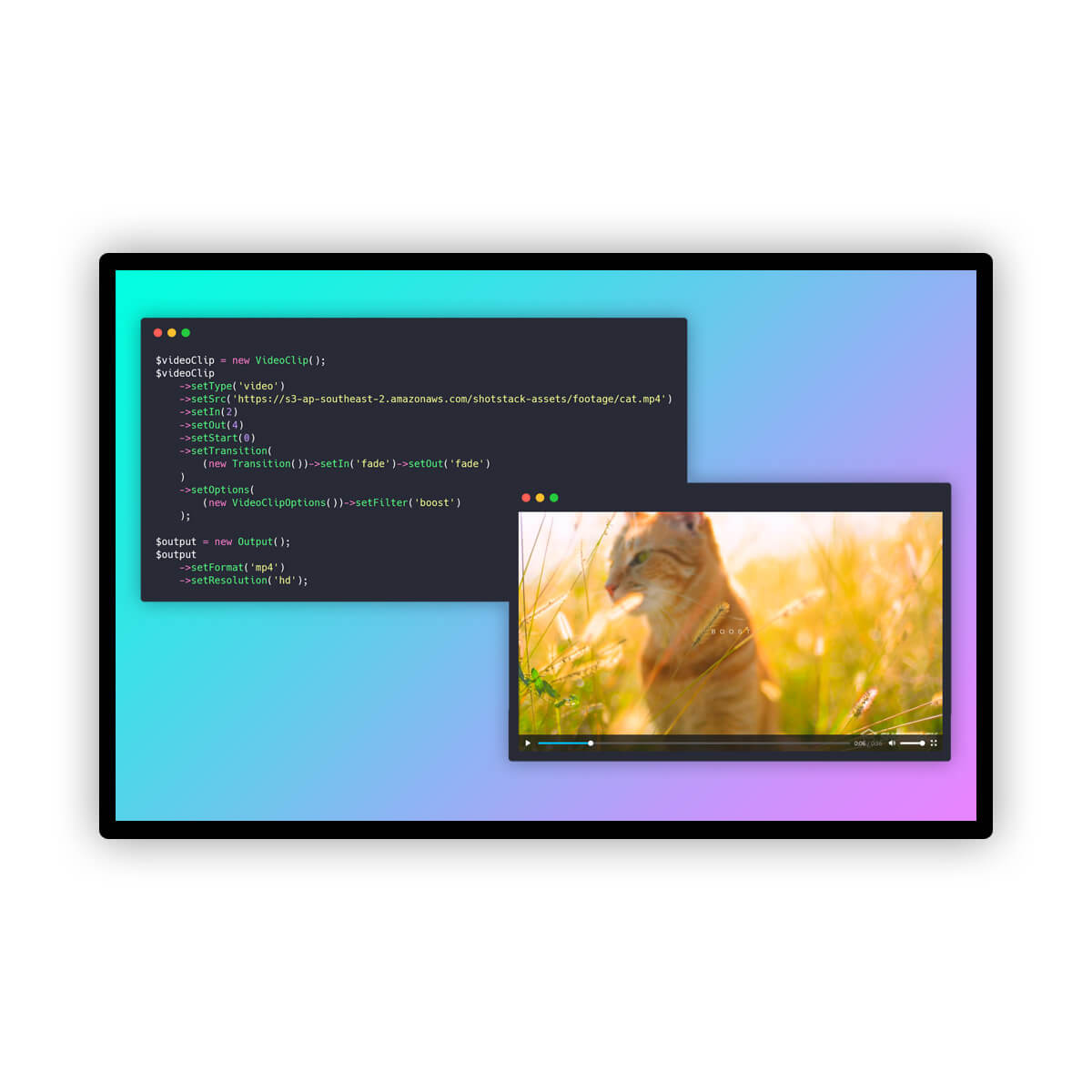
For developers, the key to scaling personalization lies in API-driven video creation. By using orchestration platforms, teams can automate the assembly of video assets from templates and data feeds. Additionally, accessing royalty-free music libraries is essential for maintaining high production value without legal complications. These technical foundations enable the creation of 'Spotify Wrapped' style experiences that resonate with audiences.
Practical next steps
- Audit current personalization efforts to identify opportunities for video integration.
- Evaluate video orchestration APIs for compatibility with existing data infrastructure.
- Develop a library of modular video templates that can be dynamically populated with user data.
- Source royalty-free music and assets to ensure legal compliance and high-quality output.
Limits and verification
- The source material provides high-level concepts and article titles but lacks detailed technical implementation guides or specific performance metrics.
- Claims about engagement boosts are inferred from the context of the articles rather than supported by direct data in the provided text.
FAQ
What is dynamic video personalization?
It is the process of creating unique video content for individual users by dynamically inserting data-driven elements into video templates.
Which industries benefit most from video personalization?
Industries such as real estate, hospitality, automotive, and media and entertainment are highlighted as key beneficiaries due to their need for tailored visual content.
How can developers implement video personalization?
Developers can use video orchestration APIs to automate the creation of personalized videos by integrating data sources with video rendering engines.