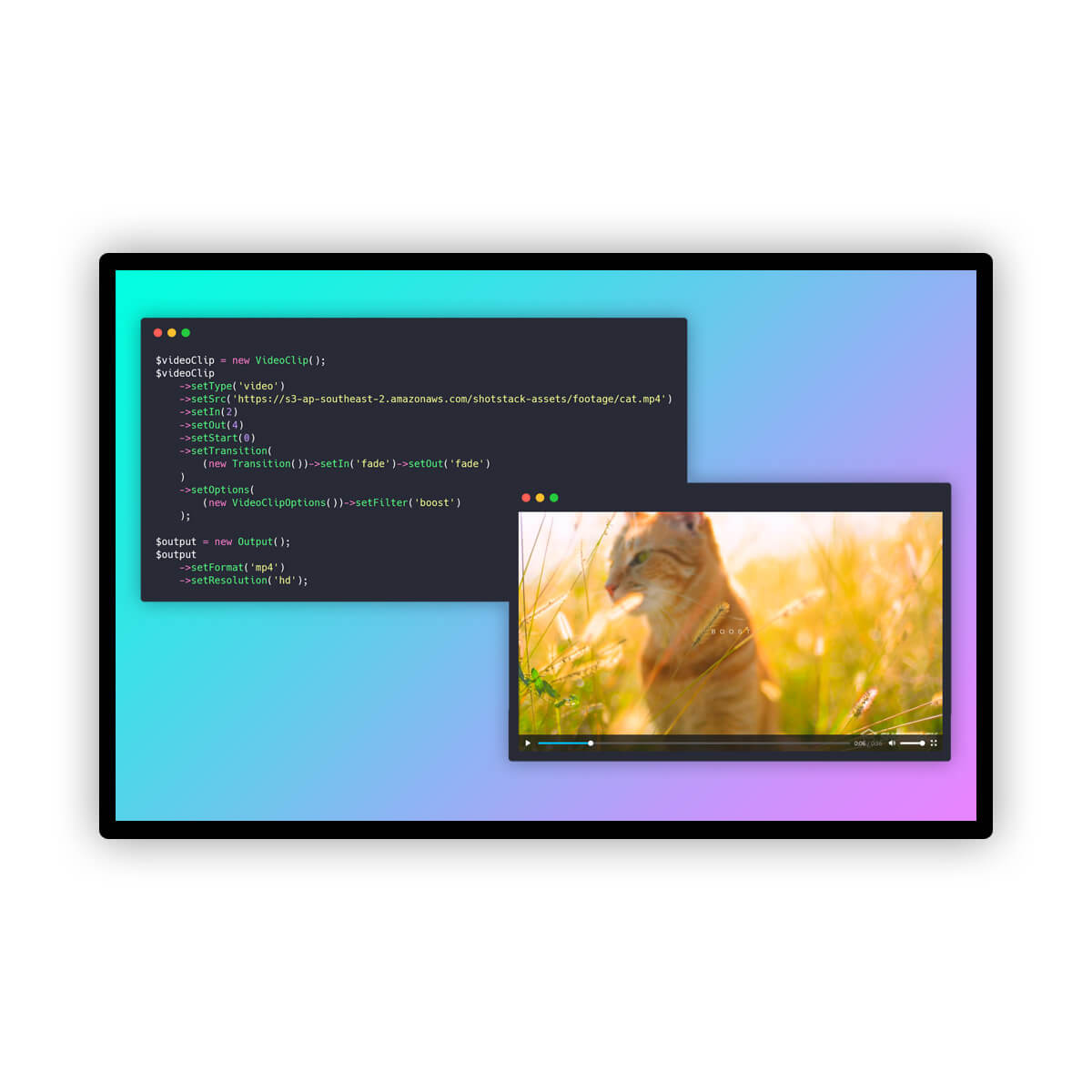
The Shotstack developer portal serves as a centralized hub for technical resources aimed at automating video production. By analyzing the available documentation, we can identify core themes ranging from basic API rendering to complex agentic workflows. This digest summarizes the educational material provided to help developers integrate video editing capabilities into their applications efficiently.
Context and practical value
The source provides a comprehensive list of developer articles from Shotstack, covering topics from basic API usage to advanced AI integration and FFmpeg comparisons, indicating a robust educational resource for video automation.
AtlasRepo synthesizes the raw list of articles into a structured overview, categorizing the resources by theme (API, AI, Technical) and providing actionable next steps for developers seeking to understand the platform's capabilities.
Key takeaways
- The platform offers extensive guides on using JSON-based APIs for video editing tasks.
- Documentation covers both low-level tools like FFmpeg and high-level API abstractions.
- AI integration is a major focus, with tutorials on MCP connections and agentic editing.
- Support for multiple programming languages including Python, PHP, and Node.js is evident.
- Vertical video formats for social media are a primary use case in the tutorials.
- Bulk rendering and template-based generation are key features for scaling content.
Core API Functionality
The source material indicates a strong emphasis on programmatic video creation. Tutorials range from rendering a first video to advanced operations like merging clips, adding watermarks, and inserting dynamic text. The documentation supports various languages, allowing developers to choose their preferred stack for integration.
AI and Automation Trends
Recent additions to the developer resources highlight a shift towards AI-driven workflows. Guides on building AI video agents, connecting tools via MCP, and automating social media posts suggest a growing demand for intelligent, automated content pipelines. These resources aim to bridge the gap between traditional editing and generative AI.
Technical Comparisons and Best Practices
The portal includes comparative guides, such as FFmpeg versus Video APIs, helping developers make informed architectural decisions. Best practices for agentic editing and bulk generation are also documented, providing strategic advice for scaling video production operations.
Practical next steps
- Review the 'FFmpeg vs Video API' guide to determine the best technical approach for your specific use case.
- Explore the MCP connection tutorial to integrate Shotstack with existing AI toolchains.
- Start with the 'Render your first video' tutorial to understand the basic JSON structure required for API calls.
Limits and verification
- This digest is based solely on the list of article titles and metadata provided; specific technical details, code snippets, and performance metrics are not included in the source text.
FAQ
Does Shotstack support multiple programming languages?
Yes, the source lists tutorials for Python, PHP, Node.js, and other environments.
Are there resources for AI integration?
Yes, there are guides on building AI video agents and connecting via MCP.