The landscape of video technology has shifted significantly, moving from manual editing to automated, API-driven pipelines. Recent industry resources highlight a clear divergence between low-level command-line tools like FFmpeg and high-level orchestration platforms. As we approach late 2026, the integration of AI agents into video workflows is becoming a standard consideration for developers and content creators alike.
Context and practical value
The source provides a comprehensive list of articles covering video technology trends, including FFmpeg tutorials, Video API comparisons, AI video generation, and personalization strategies, published between 2021 and 2026.
This article synthesizes the disparate topics from the source into a coherent narrative about the evolution of video tech, distinguishing between low-level tools, high-level APIs, and emerging AI agents, while providing actionable advice for developers.
Key takeaways
- FFmpeg remains a foundational tool for specific tasks like cropping, speed adjustment, and format conversion.
- Video APIs offer scalable orchestration, reducing the need for complex server-side infrastructure.
- Agentic AI pipelines are emerging to automate end-to-end video editing workflows.
- Personalization strategies are evolving beyond simple name insertion to data-driven content adaptation.
- Localization and accessibility features, such as automated captioning, are critical for global reach.
The Role of FFmpeg in Modern Workflows
Despite the rise of high-level APIs, FFmpeg continues to be a critical component for granular video manipulation. Recent guides emphasize its utility in specific operations such as cropping, blurring, and extracting frames. For developers requiring precise control over codec parameters or batch processing, understanding FFmpeg commands for tasks like MP4 to GIF conversion or audio extraction remains essential. However, managing FFmpeg at scale requires significant infrastructure overhead.
Video APIs and Orchestration
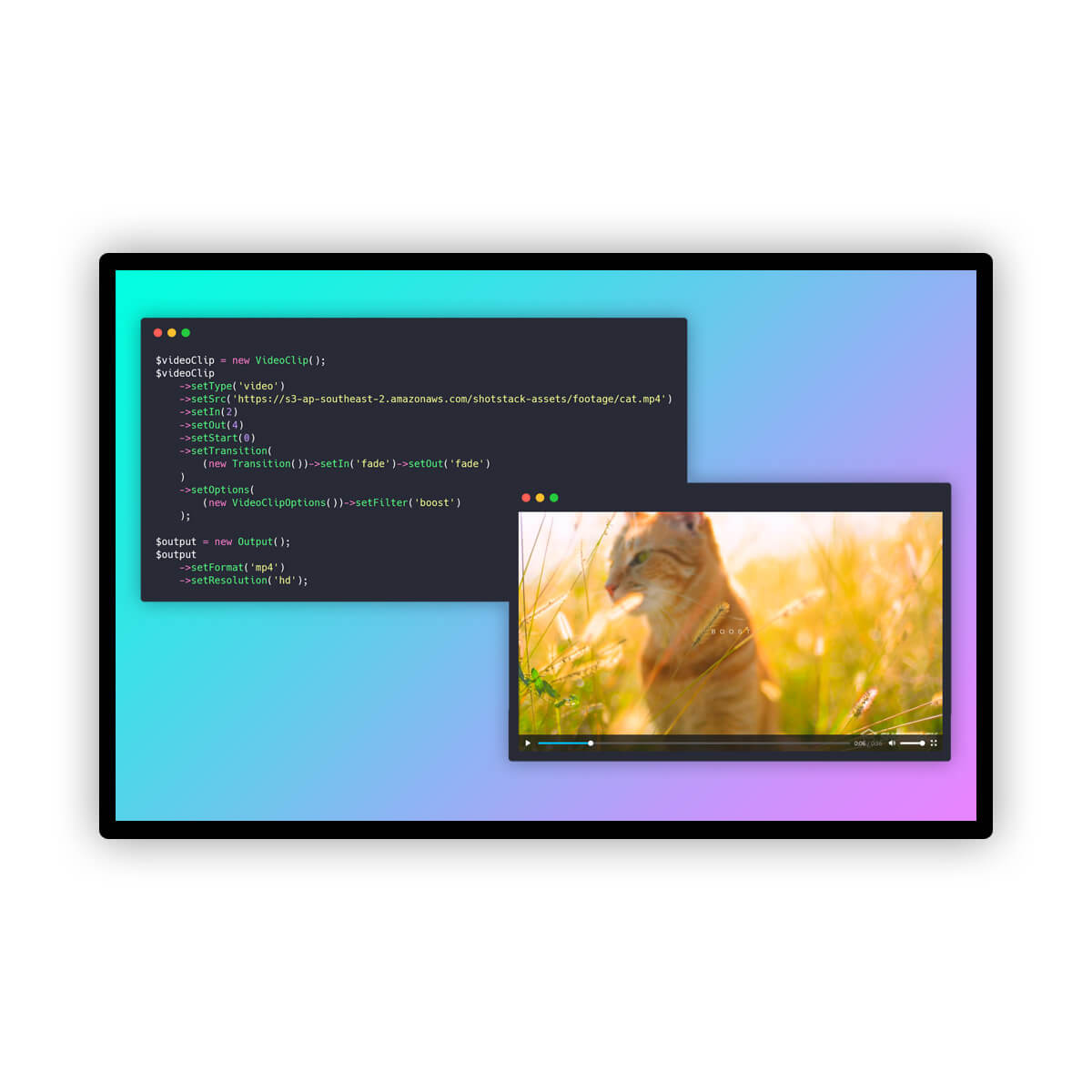
Video APIs abstract the complexity of encoding and delivery, allowing developers to focus on application logic. The decision between using raw FFmpeg and a Video API often depends on scalability needs. APIs provide managed infrastructure for tasks like transcoding, thumbnail generation, and webhook-based status updates. This shift enables faster development cycles and reduces the maintenance burden associated with self-hosted video processing servers.
Emergence of AI Video Agents
A notable trend in recent literature is the development of AI video agents. These systems go beyond simple template filling by utilizing agentic pipelines to make editorial decisions. By integrating large language models with video editing tools, these agents can interpret natural language instructions to generate, edit, and optimize video content. This represents a significant step towards fully automated content production pipelines.
Personalization and Localization
Video personalization is moving beyond basic text overlays. Advanced strategies involve data-driven customization that adapts video content to individual viewer preferences. Additionally, localization efforts are increasingly automated, using tools to generate subtitles and voiceovers in multiple languages. This approach helps creators reach global audiences more efficiently while maintaining engagement through relevant, localized content.
Practical next steps
- Evaluate your current video processing needs to determine if FFmpeg's granularity or a Video API's scalability better fits your infrastructure.
- Implement webhook listeners to handle real-time status updates from video processing jobs, ensuring reliable asynchronous workflows.
- Explore agentic AI frameworks to automate repetitive editing tasks, such as trimming or captioning, to reduce manual effort.
Limits and verification
- The source material is a curated list of articles and does not provide deep technical benchmarks or comparative performance metrics between specific tools.
- Claims regarding AI agent capabilities are based on conceptual guides rather than empirical testing results.
FAQ
Should I use FFmpeg or a Video API?
Use FFmpeg for precise, low-level control and cost-sensitive batch processing. Choose a Video API for scalability, ease of integration, and managed infrastructure.
What is an agentic video editing pipeline?
It is a workflow where AI agents autonomously perform editing tasks based on high-level instructions, rather than following rigid, pre-defined scripts.